# Rethinking Productivity with Modern Employee Monitoring Software
Workplace can no longer be defined by hours logged or simple output metrics. As organisations increasingly adopt remote and hybrid work models, the need for deeper visibility into how work actually happens has become critical. Traditional approaches that rely on manual tracking and periodic reviews often fall short, leaving leaders with fragmented insights and delayed decision-making.
Modern employee productivity monitoring software addresses this gap by offering a more intelligent, data-driven way to understand work patterns. Instead of relying on assumptions, organisations can now access real-time insights that reveal how time is spent, where inefficiencies exist, and how teams can be better supported. Platforms like Time Champ exemplify this shift by transforming raw activity data into actionable intelligence that drives productivity and operational clarity.
## The Limitations of Traditional Productivity Methods
Productivity measurement has historically revolved around attendance logs, manual timesheets, and end-of-month performance summaries. While these methods provide a basic structure, they fail to capture the nuances of daily work behavior. Managers often lack visibility into how employees allocate their time, which tasks consume the most effort, and where bottlenecks occur.
This lack of insight creates several challenges. Decision-making becomes reactive rather than proactive, inefficiencies remain hidden, and employees spend unnecessary time on administrative tasks like manual time logging. More importantly, these outdated systems do not provide answers to critical questions about focus, engagement, and work-life balance factors that directly influence long-term productivity and retention.
## The Evolution to Modern Employee Monitoring Software
**[Employee monitoring software](https://www.timechamp.io/employee-monitoring)** represents a fundamental shift from simple tracking to comprehensive workforce intelligence. Rather than focusing solely on attendance or logged hours, these tools provide a holistic view of employee activity, productivity trends, and operational performance.
By capturing real-time data on application usage, task progress, and work patterns, organisations gain a clearer understanding of how work unfolds throughout the day. This level of visibility enables leaders to identify inefficiencies, optimise workflows, and ensure that teams are aligned with organisational goals. The emphasis is no longer on monitoring for control, but on creating clarity that empowers both managers and employees.
## Intelligent Time Tracking as the Foundation
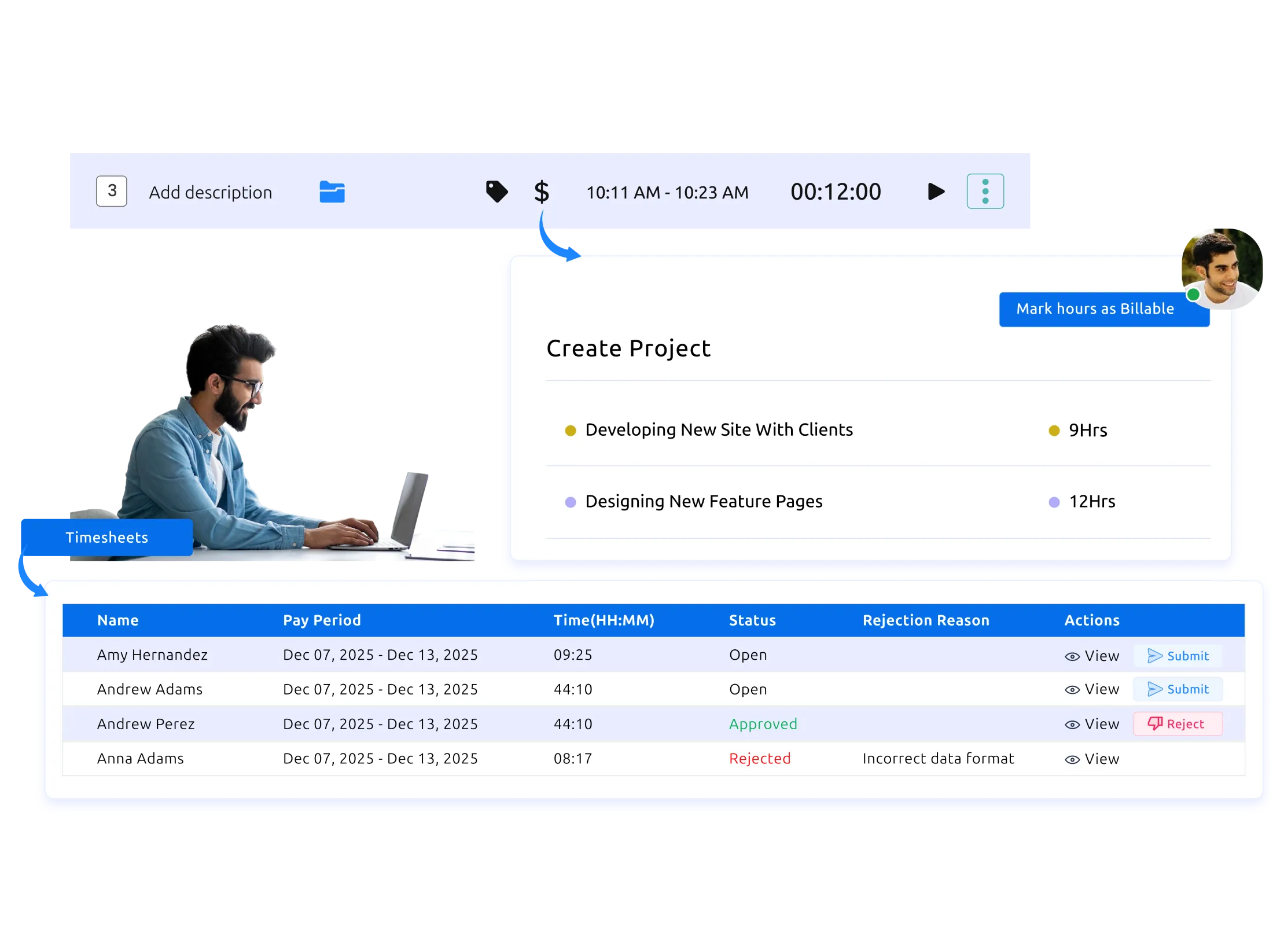
At the core of modern productivity systems is automated time tracking. Unlike traditional methods that depend on manual input, intelligent tracking tools capture work hours seamlessly across tasks, projects, and clients. This reduces administrative burden while ensuring data accuracy.
With features such as offline tracking, task-based time allocation, and automated timesheet generation, organisations can maintain consistent records without interrupting employee workflows. This not only improves operational efficiency but also provides reliable data for payroll, billing, and performance analysis.
## Understanding Work Through Activity Monitoring
One of the most significant advancements in modern employee monitoring software is the ability to analyse how employees interact with digital tools. By tracking application and website usage, these systems provide a detailed breakdown of how time is spent during the workday.
This insight allows organisations to distinguish between productive and non-productive activities, identify periods of high focus, and uncover patterns that may impact performance. Visual representations such as dashboards and timelines make it easier for managers to interpret data and take action. Instead of relying on assumptions, decisions are backed by clear, measurable evidence.
## Visual Insights for Better Accountability and Support
Modern platforms also incorporate visual oversight features such as screenshots and screen recordings. These capabilities provide additional context for understanding work processes, supporting quality assurance, and resolving issues efficiently.
However, unlike traditional monitoring systems that may feel intrusive, today’s tools are designed with privacy in mind. Features like screenshot blurring and role-based access ensure that sensitive information is protected while still providing the necessary level of visibility. This balance between transparency and privacy is essential for maintaining trust within teams.
## Proactive Management Through Smart Alerts
Another key advantage of modern systems is their ability to detect anomalies and notify managers in real time. Instead of waiting for performance issues to surface, alerts can highlight productivity drops, excessive idle time, or signs of overwork as they happen.
This proactive approach enables managers to intervene early, offer support, and prevent small issues from escalating into larger problems. It also contributes to a more responsive and adaptive work environment, where decisions are based on current data rather than outdated reports.
## Predicting Attrition and Enhancing Employee Retention
Beyond day-to-day productivity, advanced **[employee monitoring tool](https://www.timechamp.io/employee-monitoring)** can also provide insights into employee engagement and retention. By analysing behavioral patterns, activity levels, and work trends, these platforms can identify early signs of disengagement or burnout.
This predictive capability allows organisations to take timely action, whether through workload adjustments, targeted support, or engagement initiatives. As a result, businesses can reduce turnover, retain valuable talent, and foster a healthier workplace culture.
## From Monitoring to Workforce Intelligence
The most important shift in modern productivity tools is the transition from monitoring to workforce intelligence. These platforms are no longer just about tracking activity; they are about understanding and improving the entire work ecosystem.
By combining data from multiple sources time tracking, activity monitoring, project management, and employee behavior organisations gain a unified view of their workforce. This enables more strategic decision-making, better resource allocation, and continuous performance improvement. Time Champ, for instance, emphasises visibility and actionable insights, helping organisations move from observation to optimisation.
## The Business Impact of Modern Productivity Tools
Organisations that adopt modern employee productivity software experience significant improvements across multiple areas. Operational efficiency increases as manual processes are automated and workflows are streamlined. Decision-making becomes faster and more accurate, supported by real-time data and analytics.
Employees benefit from greater transparency and clarity. They can better understand expectations, track their own performance, and maintain a healthier balance between work and personal time. This alignment between organisational goals and employee well-being creates a more sustainable and productive work environment.
## Redefining Trust in the Workplace
A common misconception about employee monitoring software is that it undermines trust. In reality, modern systems are designed to do the opposite. By providing clear, transparent data and protecting employee privacy, they create a fair and consistent framework for evaluating performance.
When employees understand how data is collected and used, and when they can access their own insights, monitoring becomes a tool for empowerment rather than control. This shift in perception is crucial for successful adoption and long-term impact.
## Conclusion: Building a Smarter Approach to Productivity
Rethinking productivity means moving beyond outdated metrics and embracing a more intelligent, data-driven approach. Modern employee monitoring software provides the visibility and insights needed to understand how work truly happens, enabling organisations to optimise performance and support their teams effectively.
As the nature of work continues to evolve, businesses that invest in workforce intelligence will be better positioned to adapt, innovate, and thrive. By focusing on clarity, transparency, and actionable insights, they can build a workplace that is not only more productive but also more resilient and future-ready.